
Introduction
In this learning activity, you will continue to explore the elements of art and principles of design with a focus on creating balance and pattern in works of art.
You’ll examine symmetrical balance and radial balance, and learn to achieve them with the elements of line, space, and shape. You will learn about the creative process, and go through its stages to generate and refine ideas for a design. Finally, you’ll design a personal symbol based on your initials.
Quote of the day:
We do not know space. We do not see it, we do not hear it, we do not feel it. We are standing in the middle of it, we ourselves are part of it, but we know nothing about it.”
Questions of the day:
- How are the visual arts and mathematics connected?
- What is similar between an artist and a mathematician?
Transferable skills
Digital Literacy: By participating in the digital activities throughout this learning activity, you are practicing the transferable skill, “Digital Literacy”. This is an important skill to have in our interconnected digital world. We will also be exploring the connection between visual arts and mathematics when discussing patterns and tessellations.

The creative process
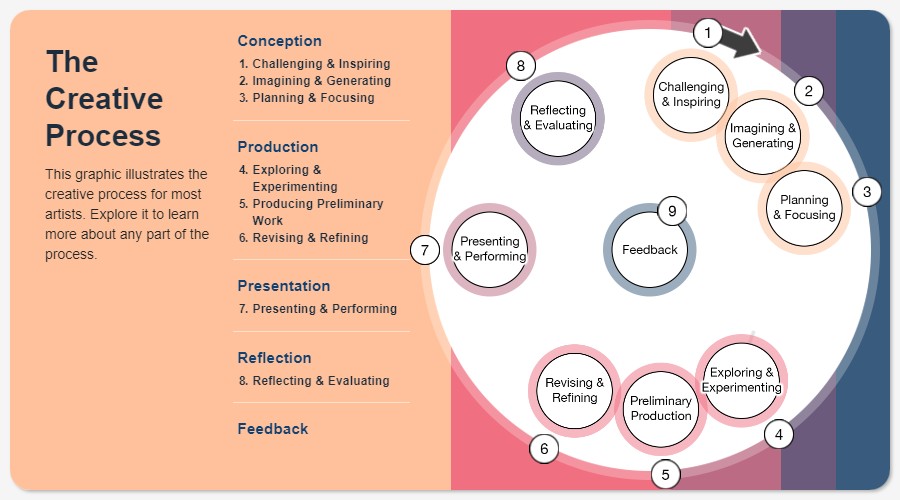
How do artists start to make a work of art? Does art just happen? Sometimes it does. However, it’s a good idea for artists and art students to be aware of the creative process, and follow a number of steps. Artists, actors, dancers, musicians, designers, and architects all use the creative process in their work to evaluate and examine their practice.
In the following graphic depiction, the steps are grouped into stages to give you some sense of their fluidity. Press each step in the graphic to learn more about that stage of the creative process.
Activity
Now that you have examined the overall elements that characterize the creative process, do you think you can put the steps in order?
Let’s check your understanding. Match the premise on the left with the numerical step on the right.
Balance and initial connections
Balance is the principle of design that distributes the visual weight of the elements. When you examine an artwork and sense that everything has been arranged equally, then it is balanced. It’s easy to tell when a work is not balanced; it feels like something is out of place.
As you discovered earlier, there are three types of balance:
- Symmetrical
- Asymmetrical
- Radial
1. Symmetrical balance
Symmetrical balance — sometimes called formal balance — is organized and predictable.
A central axis divides the arrangement of elements on either side of the composition. The central axis can be horizontal, vertical, or diagonal; it can be an actual line in the design or an implied/invisible line.
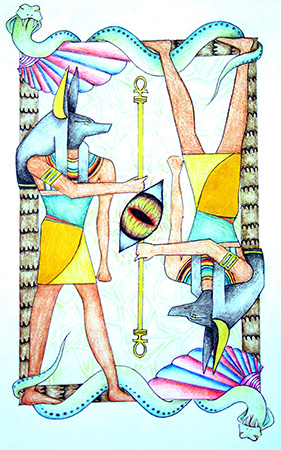
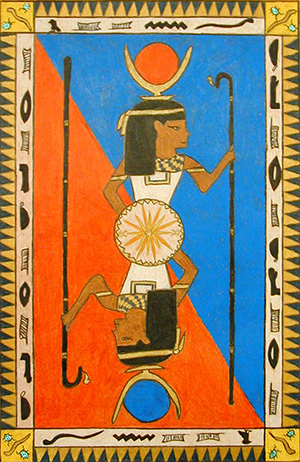
When both sides of the central axis mirror each other, the result is called symmetrical balance. Human beings are attracted to symmetry. Can you guess why? Where do you often find symmetry?
Symmetry is found in nature (animals, leaves, flowers). Symmetry can also be experienced in architecture. Many buildings are designed with a central axis and symmetrical balance.
2. Asymmetrical balance
Compositions do not need to be completely symmetrical to appear balanced.
Asymmetrical balance can be created through careful arrangement of visual weight within a work of art or design.
Asymmetry gives the artist or designer a greater range of freedom and can be used to create more interesting and varied work.
Join the discussion

Take a few moments to evaluate the painting independently.
If you wish to examine the following image in greater detail, try using your preferred internet search engine to find the painting named “The Sea at Satta in Suruga Province” by Utagawa Hiroshige. The official website of The British Museum’s online gallery collection would be a good resource to explore.
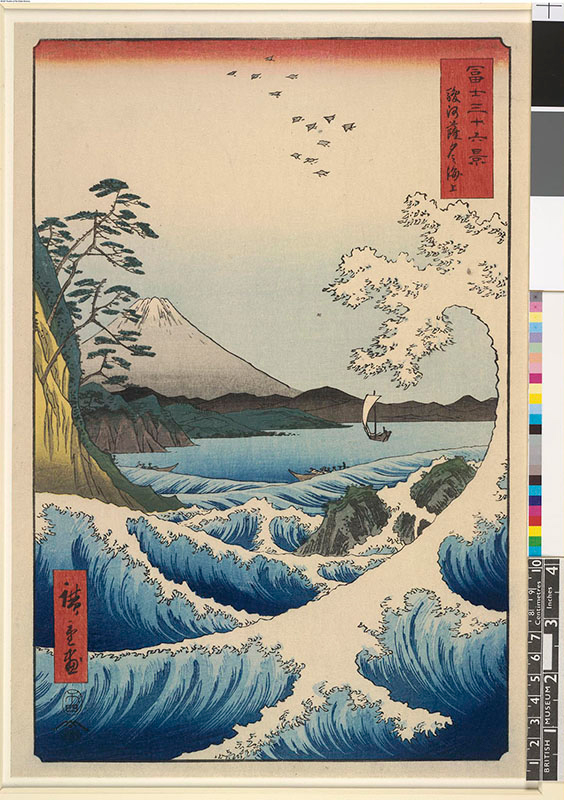
The Sea at Satta in Suruga Province (Utagawa Hiroshige, 1858)
Woodblock technique on paper
- What elements and principles of design can you identify?
- Does this painting appear “balanced” to you?
- What specific pieces of this painting make it asymmetrically balanced?
Post your answer on the discussion board. Please record your answer in your sketchbook. The class will have a discussion to review the main points of these questions.
3. Radial balance
In a design with radial balance, elements are arranged around a centre so that no one part of a work overpowers any other.
Examples of radial balance abound in nature. Every cell in your body, for instance, has a living radial design. So does the iris of your eye, a snow crystal, a bird’s nest, stars, and planet Earth itself.
In the following activity, you’ll explore several designs with radial balance that have significance in different cultures and disciplines worldwide.
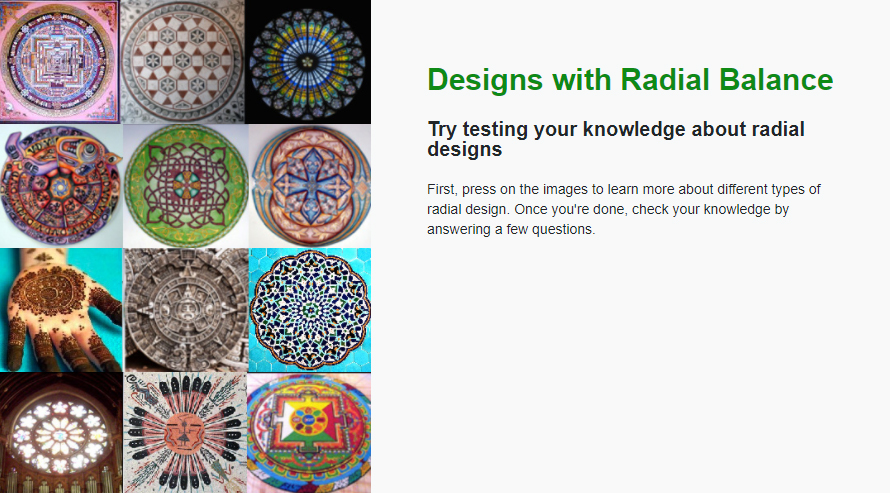
Pattern
Pattern is another principle of design. Patterns are created when elements are repeated. The repetition creates movement in the eye and establishes a visual rhythm. Patterns can repeat a single element such as a shape or a line, or can take a set of elements and repeat them in alternating intervals.
Tessellations are patterns resulting from arranging, or tiling, shapes without any gaps. They can be made by positioning the same shape with one of these three operations:
- translation (sliding the shape along a plane)
- rotation (rotating the tessellated shape)
- reflection (making a mirrored image of the shape)
You can also create complex tessellations by combining multiple operations.
Source: Anderson, Meredith. “How to Create Simple Tessellations.” STEM Activities for Kids. 08 Oct. 2019. https://stemactivitiesforkids.com/2019/10/08/create-a-simple-tessellation/
Discover more

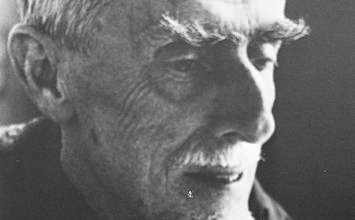
M.C. Escher was a Dutch graphic artist (1898–1972) whose work combines the world of art and mathematics to create optical illusions. He made use of three printing techniques: woodcuts, lithography and mezzotint. Escher’s use and experimentation of symmetry, tessellations, geometry, three-dimensional forms on a two-dimensional plane, “broke down the boundaries between art and science by combining complicated mathematics with precise draftsmanship and an eye for the unusual. His work is a combination of intricate realism and fantasy”.
Source: The Art Story. "M.C. Escher Painting, Bio, Ideas". The Art Story. 2021. https://www.theartstory.org/artist/escher-mc/.
If you are interested in exploring M.C. Escher’s artworks, you can use your preferred internet search engine to visit the official website of the M.C. Escher Gallery.
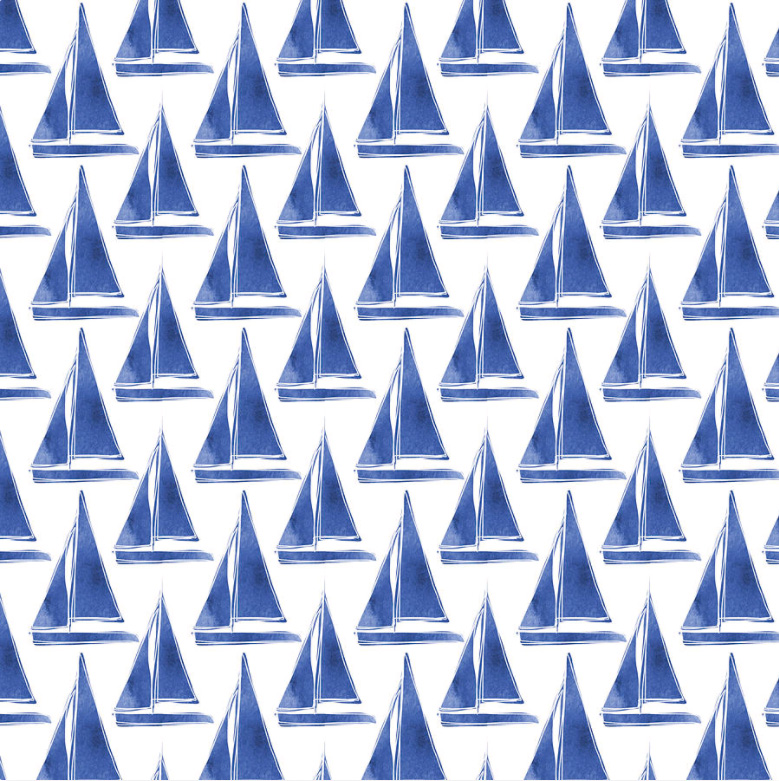
You can have one pattern consisting of the repetition of one element, as in the following pattern in which the image of a sailboat is repeated.
In the following image, orange circles are repeated to create a pattern.

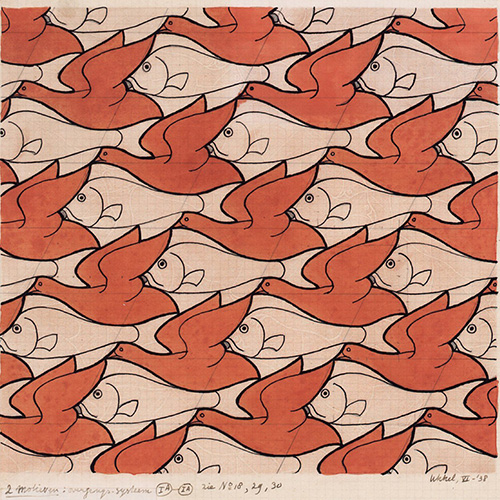
You can also have a pattern consisting of the repetition of more than one element.
In the following example, two elements are regularly repeated. The beige fish and brown bird are being repeated to create a pattern.
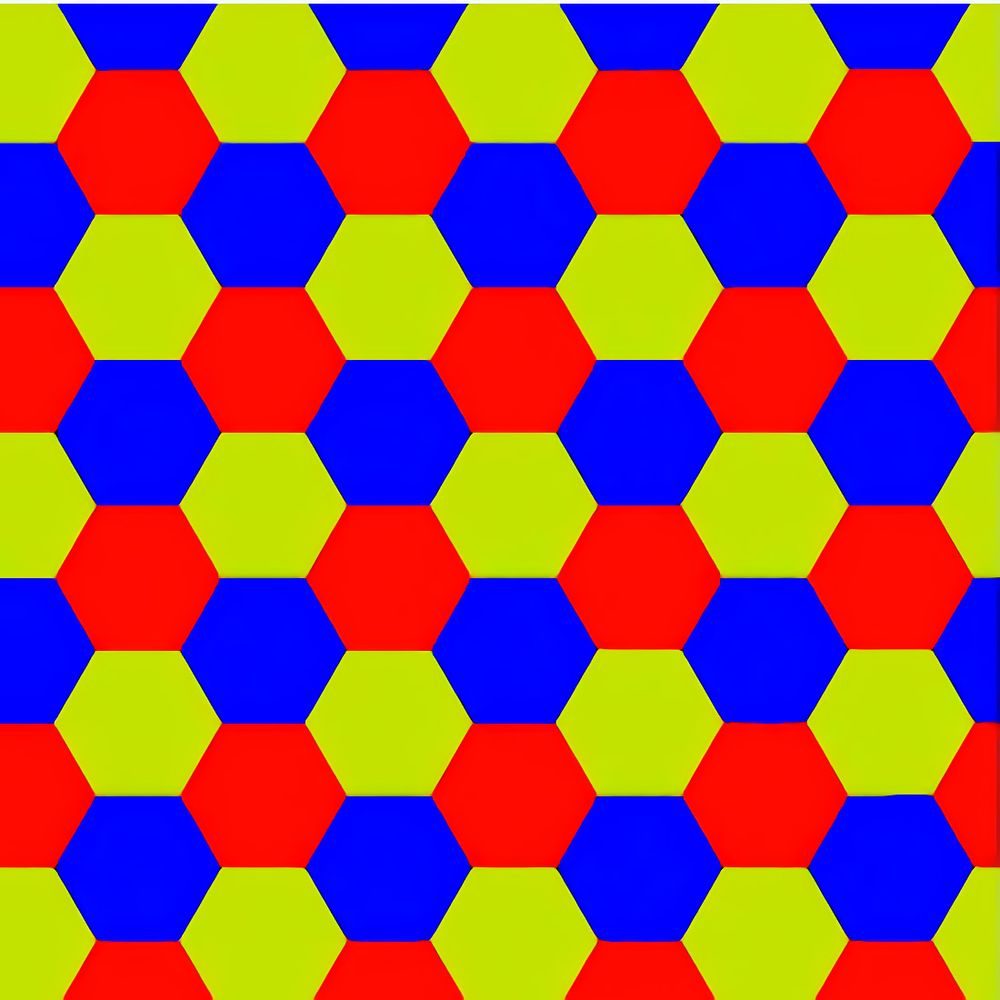
In the following image, the same shape is repeated with three different colours creating the pattern.
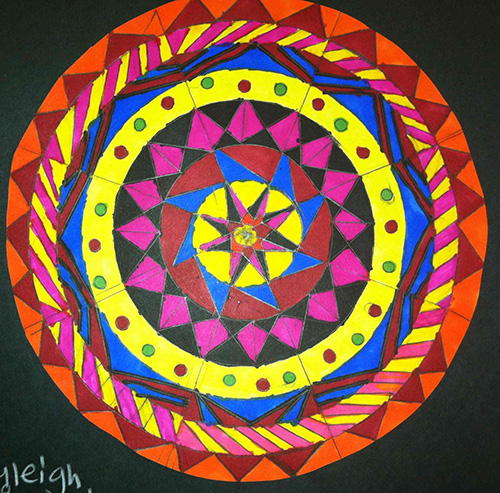
You will notice that, in many designs, you can find a combination of patterns that create the design. For example, examine the radial designs that follow. How many different sets of patterns can you find?
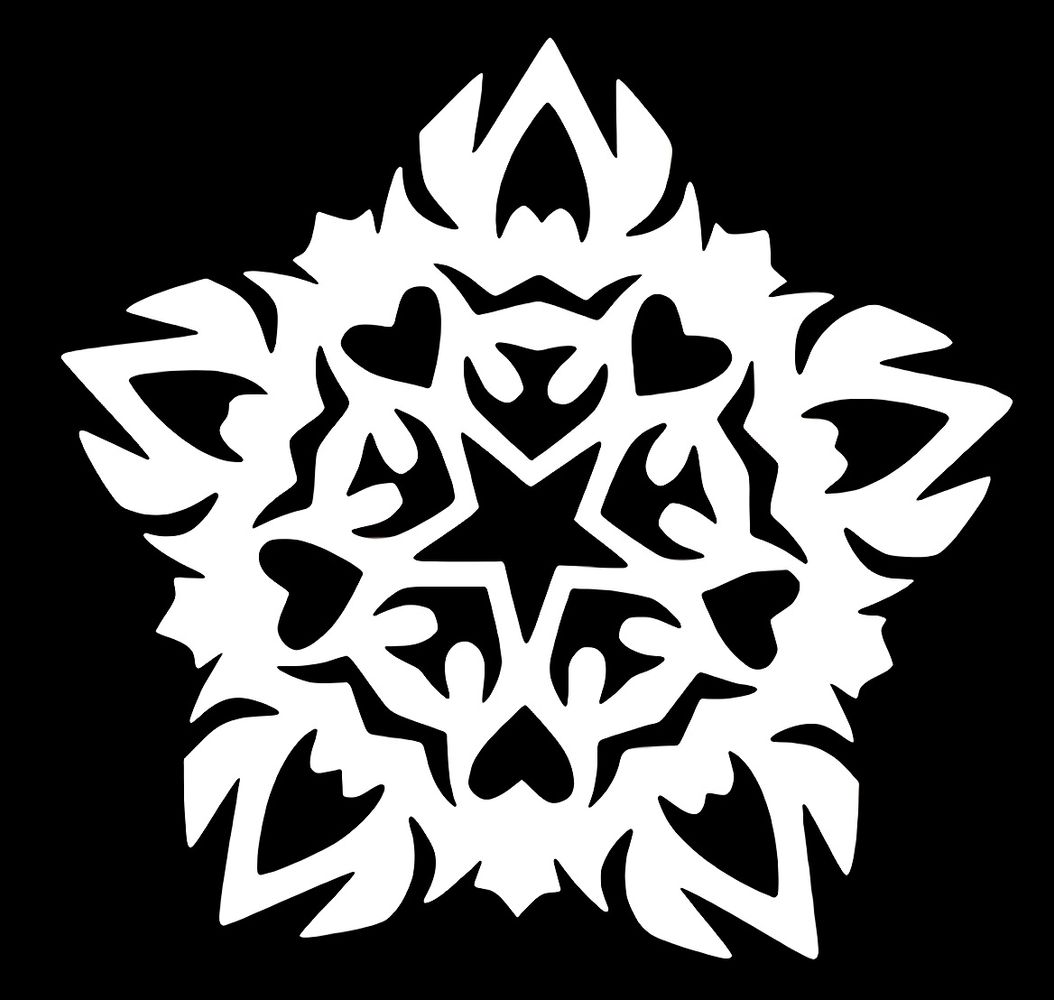
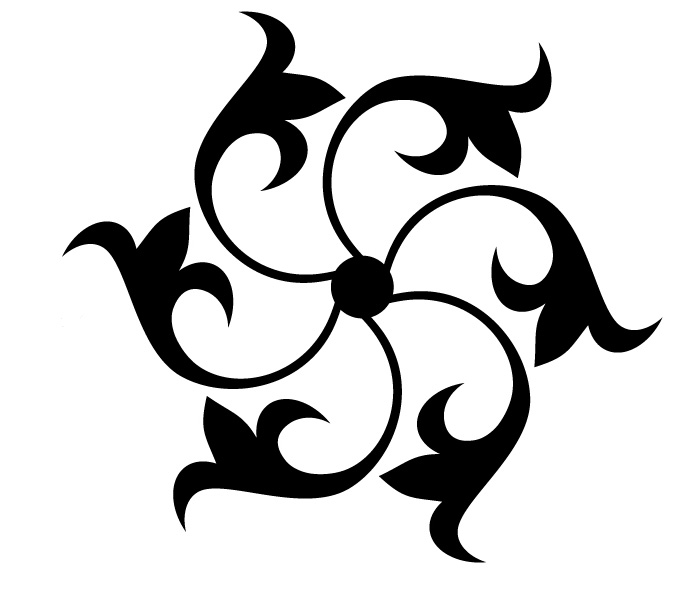
Now imagine how complex you can get when you add colour to the mix.
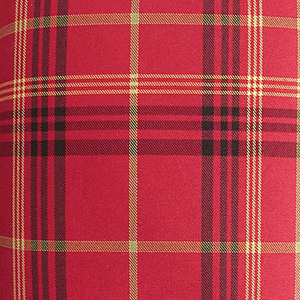
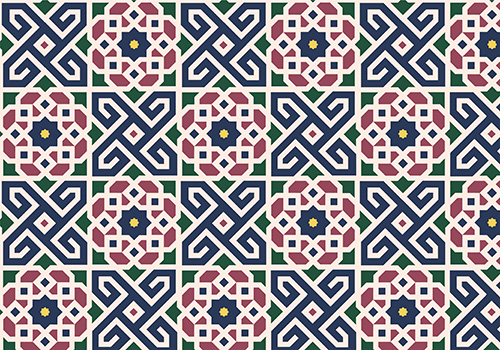
Patterns can be inspired by many different things. You’ll notice patterns around you every day in things like fabric designs, wallpaper, and architecture. Many of our patterns are inspired by nature or our culture.
Different patterns can be explored in the following examples.
Carousel content with 6 slides.
A carousel is a rotating set of images, rotation stops on keyboard focus on carousel tab controls or hovering the mouse pointer over images. Use the tabs or the previous and next buttons to change the displayed slide.
- Slide 1
- Slide 2
- Slide 3
Think

Reflect on the following questions before continuing on to the next section of the learning activity.
- What types of patterns can you recognize in your own environment and surroundings?
- Are there patterns in the fabrics used in pillows, curtains, blankets, tablecloths, or tiles?
- Are there patterns on the clothes that you wear—on a scarf, shirt, shoes, or socks?
- Turn to nature for inspiration as well. Organic objects such as pine cones, pineapples, flowers, and leaves can have interesting patterns on them or may be arranged in repetitive patterns.
- Are there any patterns that have cultural significance to you and your family?
Pattern activity
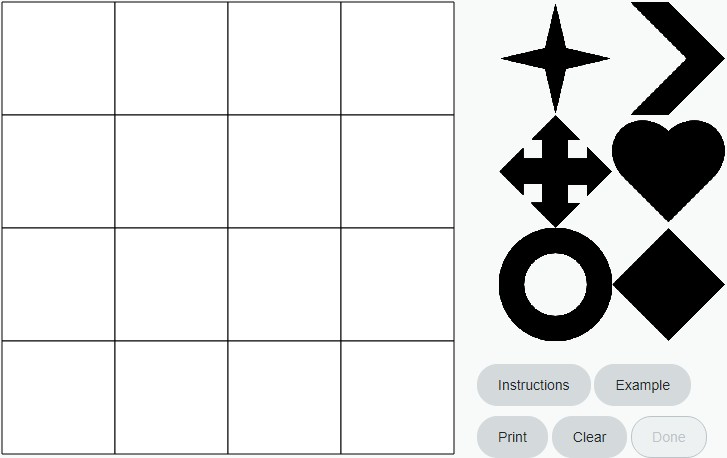
Create your own pattern with shape!
In the following activity, you’ll press a shape to select it. Then, press an empty box within the grid to place your chosen shape inside it. Continue until you have filled each box with a shape to make a pattern. You can repeat the cycle as often as you wish.
Initial connections activity
Your symmetrical design will use the elements of line, shape, and positive/negative space. But before you begin, you will examine the process of a student working through a similar assignment. That way you’ll have a firm grasp of the steps in the creative process when you tackle your own design.
Initial connections: A student example
Follow student KC, as they work through the steps in the creative process to make their initials into an abstract design. You will find her process outlined in the document called “Student example using the creative process. (Opens in new window)”
Now that you’ve seen KC work through the stages of the creative process, it’s time for you to start designing.
You are going to create a black-and-white design using the initials of your first and last name. This symmetrical design will use the:
- elements of line and shape
- principle of balance
You may wish to refer back to KC’s example as you work.
To create your “Initial connections” design, follow the steps listed in the “Initial connections worksheet (Opens in new window).”
Before you begin, you may wish to take some time to play around with different letter fonts in your sketchbook.
Portfolio

You will encounter icons indicating a “Portfolio item” throughout the course. Take photos of your work and upload them to a folder on your computer.
- Create a folder for your portfolio on your computer labelled “Portfolio Items”.
- When you get to Learning Activity 4.5 you will be asked to choose five of your best portfolio items to submit for assessment.
- Write a short Artist Reflection about each piece selected describing what you created, how you feel about the piece, and the artistic decisions you made during the process.
Join the discussion
Your “Initial connections” design is the first item you’ll put in your portfolio.
Together as a class and with your teacher, you will help to create a success criteria checklist for portfolio items by answering the following questions.
- How can I make a successful initials design?
- How can I write a successful artist reflection?
Post your response in the discussion forum. The class will formulate a success criteria checklist for portfolio items.

Review

In this learning activity, you have:
- Learned how to create balance and pattern in design using elements such as positive/negative space, line, shape, and colour.
- Going through the creative process, you created an abstract design based on your initials. First you generated ideas for the design and then chose one design to work into a final composition.
- You also observed designs that have radial balance and explored how different cultures share common radial design motifs.
Assessment Opportunity: Computer-based
Elements and principles of art and design
This is an Assessment Opportunity to help you determine where you are in your learning, where you need to go, and how best to get there. You will be provided with computer-based feedback on your work. This feedback will help you in your future learning.
Instructions
There are four tasks in this Assessment Opportunity.
- Task 1: Elements of art
- Task 2: Principles of design
- Task 3: Creative process
- Task 4: Design with radial balance
Let’s get started!