
Think

How many of the following substances might be considered heavy metals?
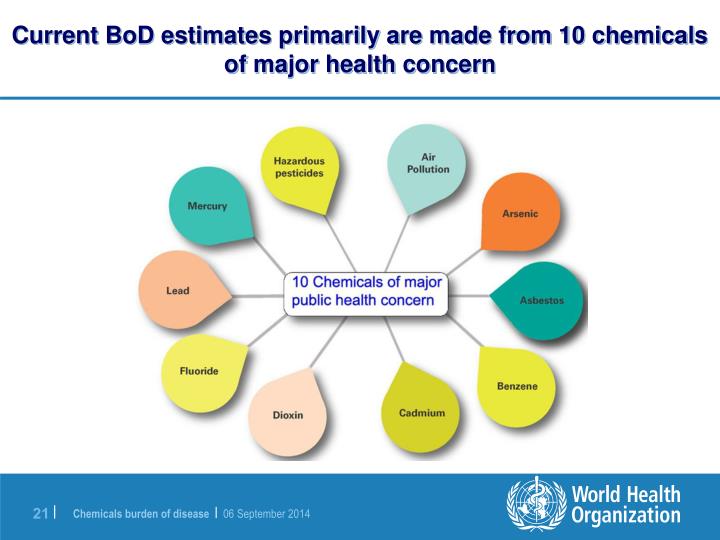
When you think of the term heavy metals, what comes to mind? Do you know of any heavy metals that can affect the human body in adverse ways?
Try it!

For each letter in the words heavy metals, write down something you know about the subject of heavy metals in your notebook. Your sentence must begin with the given letter.
For example, next to the letter M from the word “metals” you can write: Mercury is a heavy metal. In your notebook, copy the following chart and fill in the second column with your phrase. You will return to this exercise at the end of the Learning Activity 1.2 to fill in any blanks you may have.
| Letter | Phrase |
|---|---|
| H | |
| E | |
| A | |
| V | |
| Y | |
| M | |
| E | |
| T | |
| A | |
| L | |
| S |
Depending on where we live in the world, what we consume and our exposure to environmental toxins, our knowledge of pollutants, including heavy metals, can be limited. Being informed and knowing what is happening in our local and global communities is the first step in protecting ourselves, and perhaps making a positive difference for other people.
As you work through this learning activity, you will have the opportunity to explore and research articles which will allow you to have a deeper understanding about the health hazards of heavy metal pollutants.
Transferable skills

One of the skills we are practicing in this learning activity is "Collaboration." You will have opportunities to learn from others and work together to co-construct knowledge, meaning, and content. You will also practice how to participate successfully in teams by building positive and respectful relationships, developing trust, and acting cooperatively and with integrity.

Lead, chromium, vanadium, cobalt, copper, zinc, iron, mercury, arsenic: what do these all have in common? Along with several others, these elements are classified as heavy metals, or metals that can have toxic effects on living things.
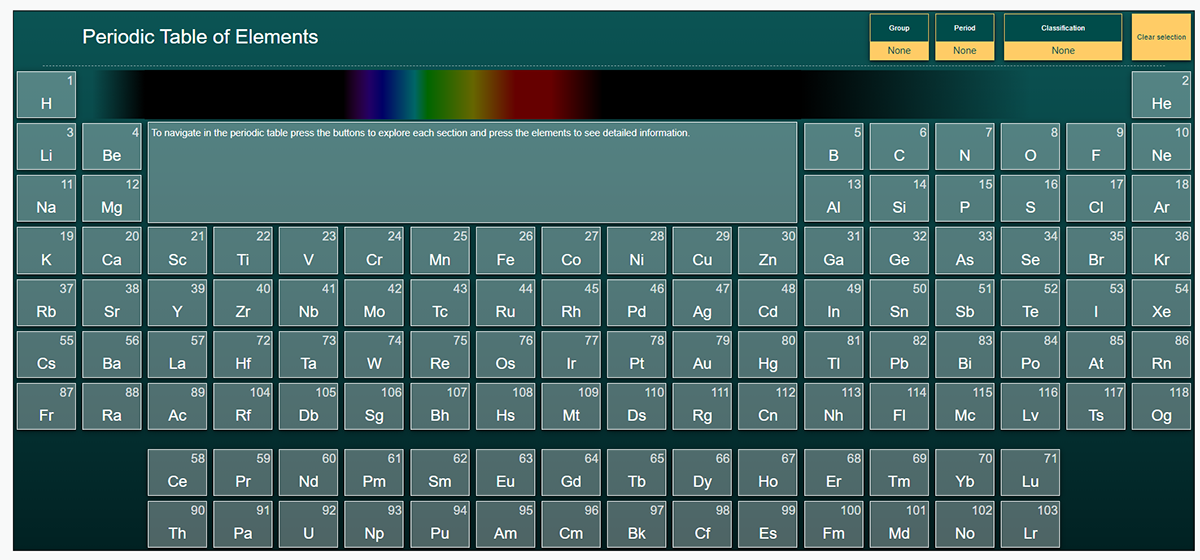
Although they are called heavy, apart from mercury and lead, these metals are not extremely dense, nor do they have a large atomic mass. You may recall from your study of the periodic table (in Grade 9 or 10 Science) that most of these metals are transition metals. In fact, arsenic is not a metal at all, but a metalloid, an element found along the dividing line between metals and non-metals, having both metallic and non-metallic properties.
Try it!
The following is an interactive periodic table which will allow you to locate some of the metals and other elements discussed.
Press here for an accessible version of the periodic table. (Opens in new window)
Heavy metals
Heavy metals occur naturally in various rocks and minerals as ores but can be added as pollutants to ecosystems through human activities. These are the situations where human health can be affected.
Some heavy metals are essential micronutrients for human life. The micro prefix indicates that they are needed in low dosages. For example, a small quantity of iron is needed to create hemoglobin, the protein that carries oxygen in the red blood cells. Zinc helps to heal wounds to the skin. Other heavy metals, for example lead and mercury, serve no function for living organisms. In high dosages, however, all of these metals are toxic to humans and other animals.
Heavy metal pollution
Heavy-metal pollution is created in several ways. It is often associated with the purifying and refining of metals through smelting; for example, copper smelting produces heavy-metal pollution. In smelting, ore is heated to extract the metal.

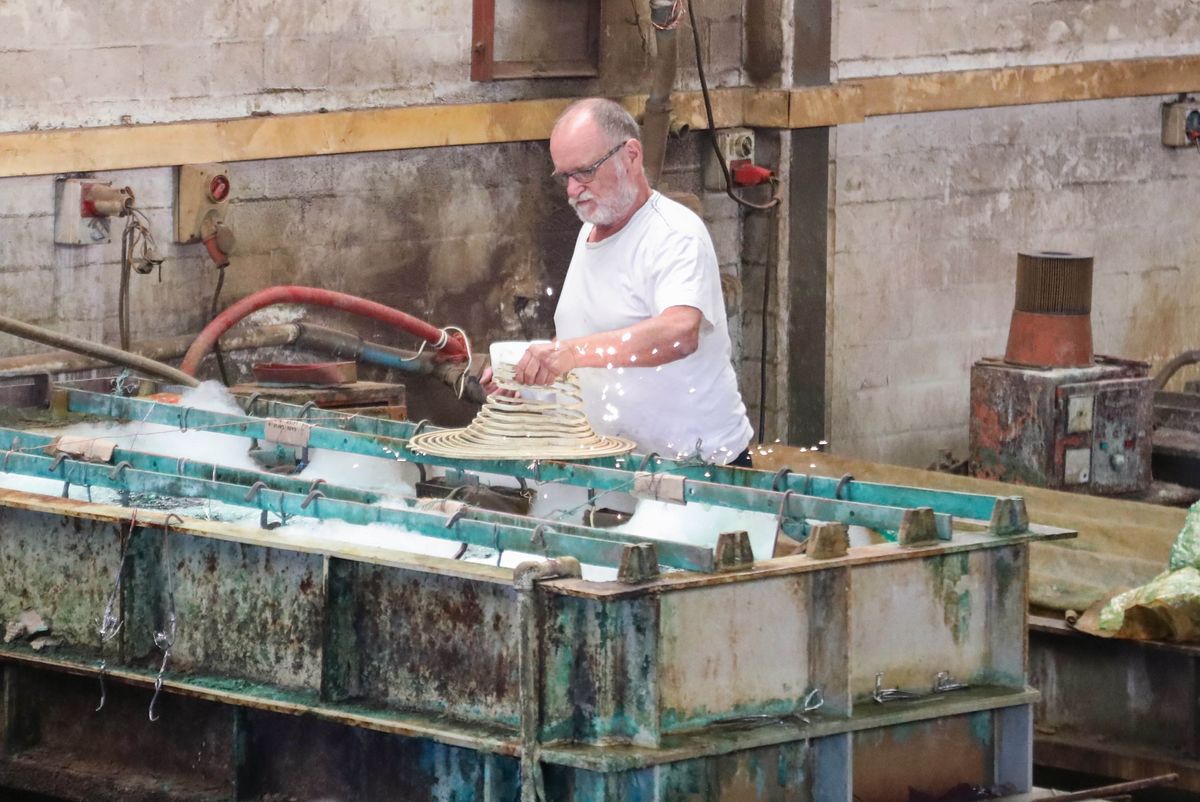
Another source is the electroplating industry, where electricity is used to cover one type of metal with another type of metal. This is the process that plates shiny chromium onto iron car bumpers to prevent corrosion of the iron. Heavy metals are also used in the production of car batteries, sometimes known as lead storage batteries.
To minimize heavy-metal pollution, heavy-metal waste and solutions containing heavy metal ions are collected in special containers rather than being poured down the drain or placed in the regular garbage. The containers are then picked up by a company that disposes of these wastes in a way that’s safe for the environment. This is common practice in laboratory settings, including those found in high schools. However, not all industries follow this good practice when disposing of heavy-metal wastes.
There have been incidents where, either through carelessness or intentional neglect, heavy-metal wastes have been poured down the drain or shipped to a landfill site. Sometimes a leak of these chemicals can occur during the actual industrial processes.
The result? Heavy metals contaminate the soil and any nearby waterways. If that happens in Canada, the Ministry of the Environment can force the company to clean up the problem or pay to have it done. Often fines are imposed, especially in situations where companies did not follow proper procedures or intentionally dumped waste. Unfortunately, the follow-up can drag on for many years.
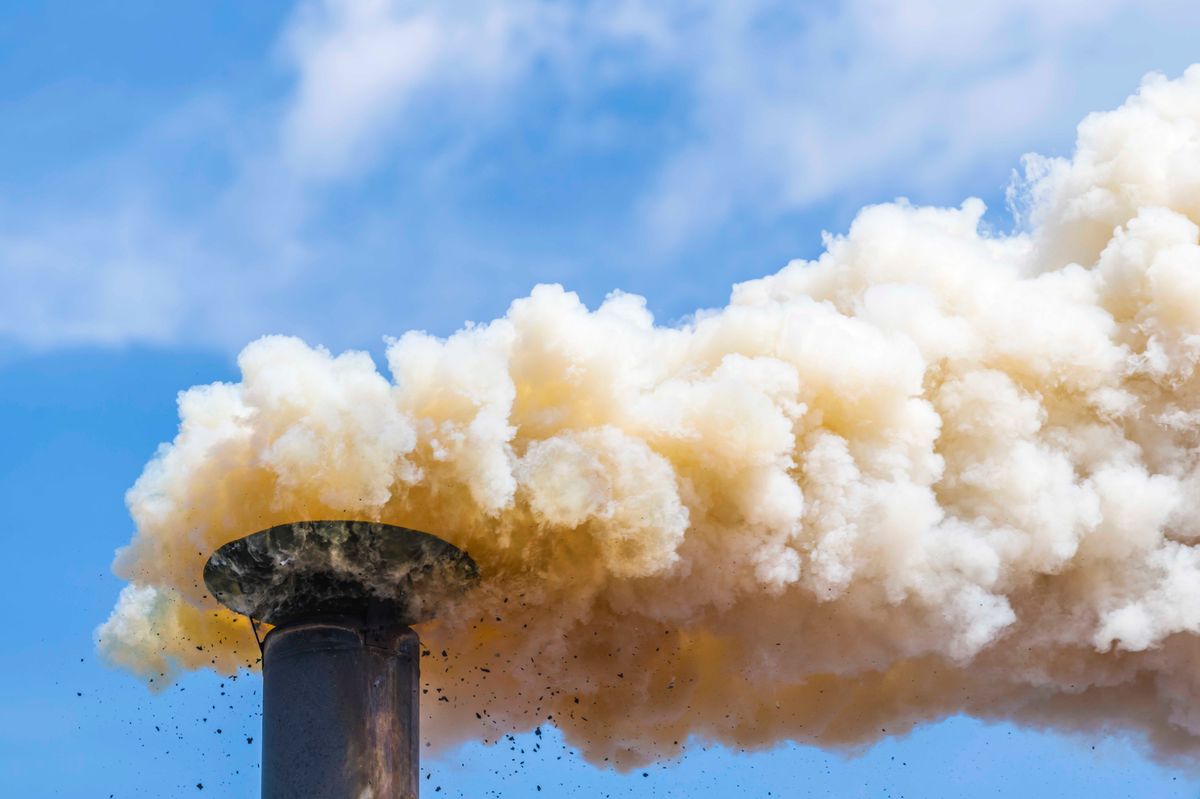
Heavy metals can also enter the air surrounding a smelter or a refinery. Once in the air, they can be carried long distances, or be deposited in nearby soil or waterways.
Consumers also have a role to play in keeping heavy metals out of the environment. Batteries, both car and household, fluorescent light bulbs, mercury thermometers, thermostats, and electronics contain small quantities of heavy metals. Communities have various programs to keep these out of landfills. This often means that you have to deliver these goods to a recycling depot. Some communities set up household battery recycling containers in schools, libraries, and recreation centres. A number of building-supply companies recycle fluorescent light bulbs.

Naturally occurring heavy metals also end up in the waterways since acid rain can leach (remove) the heavy metals from soils. The heavy metals are then carried into the water table or into nearby surface bodies of water such as lakes, rivers, or streams.
Once the heavy metals end up in the soil and in waterways, they do not decay or rot, and so remain as pollutants virtually forever. These metals could end up in your body if you drink contaminated water, breathe in contaminated air near the source, or consume members of the food chain.
Bioaccumulation and bioamplification
The danger of heavy metals is that they bioaccumulate.
Definition

Bioaccumulation occurs when a living thing takes in a contaminant from the environment that cannot be broken down and excreted. These metals build up or accumulate in a living plant or animal over time. In animals, the toxins usually build up in the livers, kidneys, and other internal organs.
In bioamplification, the concentration of the toxin is increased or amplified through the food chain. As one member of a food chain consumes another, it takes in the stored heavy metal. The heavy-metal toxins increase in concentration as you move up the food chain from one level to the next. Organisms, at or near the top of the food chain, are most susceptible to heavy-metal poisoning.
Consider the following food chain:

plant → mouse → snake → hawk
If a plant were growing in soil containing heavy metal, even in a low concentration, the plant would absorb the pollutant into its tissues. In turn, the mouse would take in that metal when eating this plant, the snake when eating the mouse, and so on up the chain. The hawk would end up with the highest concentration of metal.
Cadmium and bioamplification
Cadmium is found in ores containing zinc and lead. When zinc and lead are refined or purified, cadmium is released. Cadmium is useful on its own in rechargeable nickel-cadmium batteries. It is also used in pigments, plastics, and electronic components, and can be found as an impurity in fertilizer, petroleum products, and detergents. Cadmium may enter your body through the air or drinking water, but more likely through the food chain. Cadmium in the soil is taken up by plants. However, cadmium is found in higher levels in tobacco than other kinds of plants. Smoking a pack of cigarettes a day will cause you to inhale 2 to 4 μg (micrograms) of cadmium. In comparison, the air you breathe for the entire day will only contain 0.15 μg of cadmium, and the water you drink up to 1 μg. One microgram (μg) is equal to 1/1,000,000 of a gram (0.000001 g). This is another example of bioamplification. Because it doesn’t break down, cadmium will remain in the human body for many, many years. Its presence in the body has been associated with kidney disease and failure, lung disease, and bone defects such as osteoporosis. Cadmium has also been linked to birth defects.
Ptarmigans and cadmium - Case study
You will read through this section as a group of 4. You will each choose one of the four questions in the learning assessment.
The ptarmigan is a bird, about the size of a chicken. Explore the case study to find out how cadmium has affected this bird.
The ptarmigan is commonly found in both tundra and mountain biomes. The colour of the ptarmigan’s feathers depends on the season. These birds are white in winter and a spotty brown rest of the year. This helps camouflage them so they are less apparent to their predators, which include foxes, wolves, coyotes, lynx, owls, eagles, and hawks.
The willow and rock ptarmigans are common in the tundra. The rock ptarmigan is the official bird of Nunavut. The white-tailed ptarmigan is usually found in the mountain biomes of the Canadian and American Rockies.

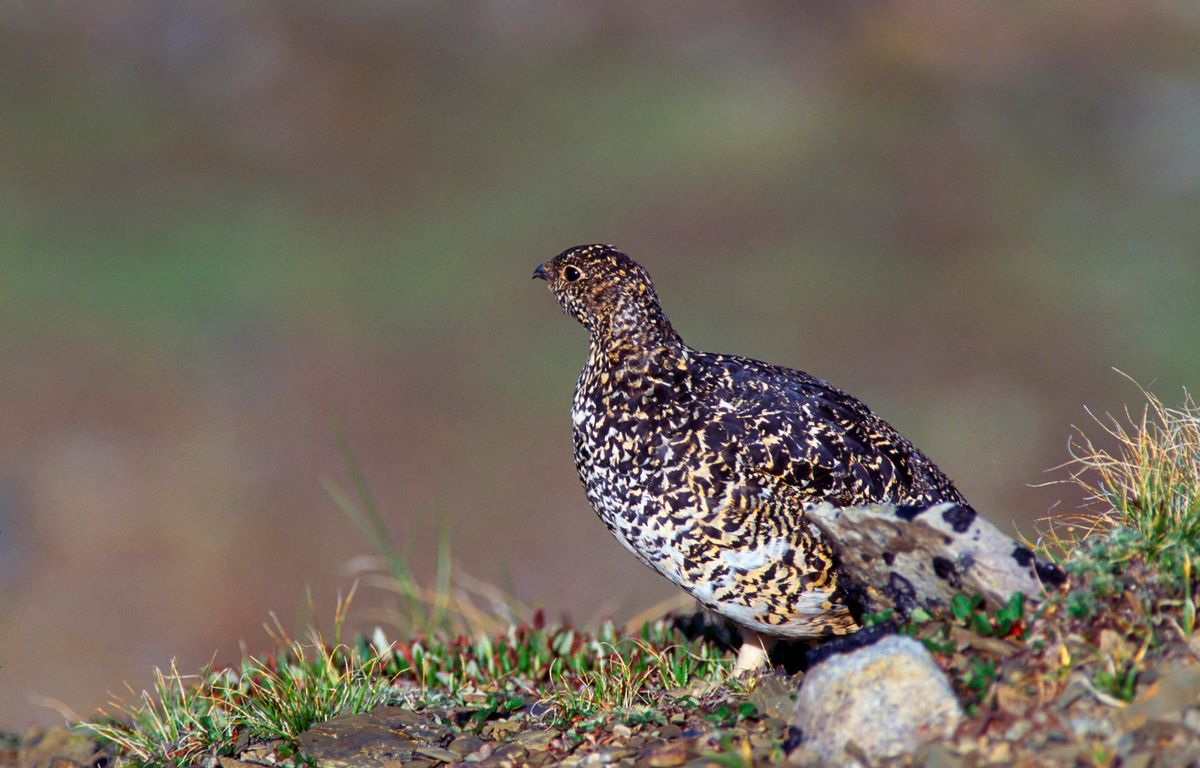
White-tailed ptarmigans eat spiders and insects as well as various parts of plants. They are especially fond of willow, a plant which is available to them throughout the year. Research has shown that like tobacco, willow can concentrate cadmium in its tissues more than the average plant. Animals that eat a lot of willow consume a lot of cadmium at the same time.
In a recent study, it was discovered that close to half the white-tailed ptarmigans in a region of Colorado had very high levels of cadmium in their kidneys and livers. This region contains a lot of abandoned mines and smelters.
Besides the high levels of cadmium in their internal organs, many affected white-tailed ptarmigans had 10% less calcium in their bones than healthy birds and often had bone fractures. Birds with broken bones don’t tend to live long, so the number of birds with this condition might actually be much higher than the scientists found.
Self check

Complete the following questions as a group and record your group answers in your notebook. When you’re ready, compare your answers to the suggestions provided.
-
Create a diagram of a food chain based on the ptarmigan case study you just read about. The food chain should have four members, including willow and ptarmigan.
Willow → Insects → Ptarmigans → Carnivores
-
Explain the difference between bioaccumulation and bioamplification.
Bioaccumulation is when a living thing takes in a contaminant/toxin that cannot be broken down and then accumulates in their tissues over time whereas bioamplification is when these contaminants are increased or amplified higher along the food chain.
-
Use these concepts to explain how cadmium enters the food chain. Which member of the food chain would suffer most from cadmium poisoning?
Cadmium is found in the soil where there are abandoned mines and smelters. Vegetation such as willow absorbs the cadmium from the soil, the ptamigans then feed on the willow and carnivores will eat the birds. The animals at the top of the food chain (carnivores) would suffer most from cadmium poisoning.
-
Members of the grouse family, ptarmigans are often hunted by humans as a food source.
-
Do humans face the same risk of cadmium poisoning as other predators in this region? Explain.
Yes, if they hunt and eat them, they will be absorbing all of the cadmium that has been passed on through the food chain.
-
What warnings might you give to people wanting to eat ptarmigan in this region?
Warn people that there are high levels of cadmium in the area and not to consume too much ptarmigan meat.
-
Lead in the environment
Lead is another example of a heavy metal that has a long history of harmful effects on human health and the environment. Click the tabs to learn more.
Sources of lead
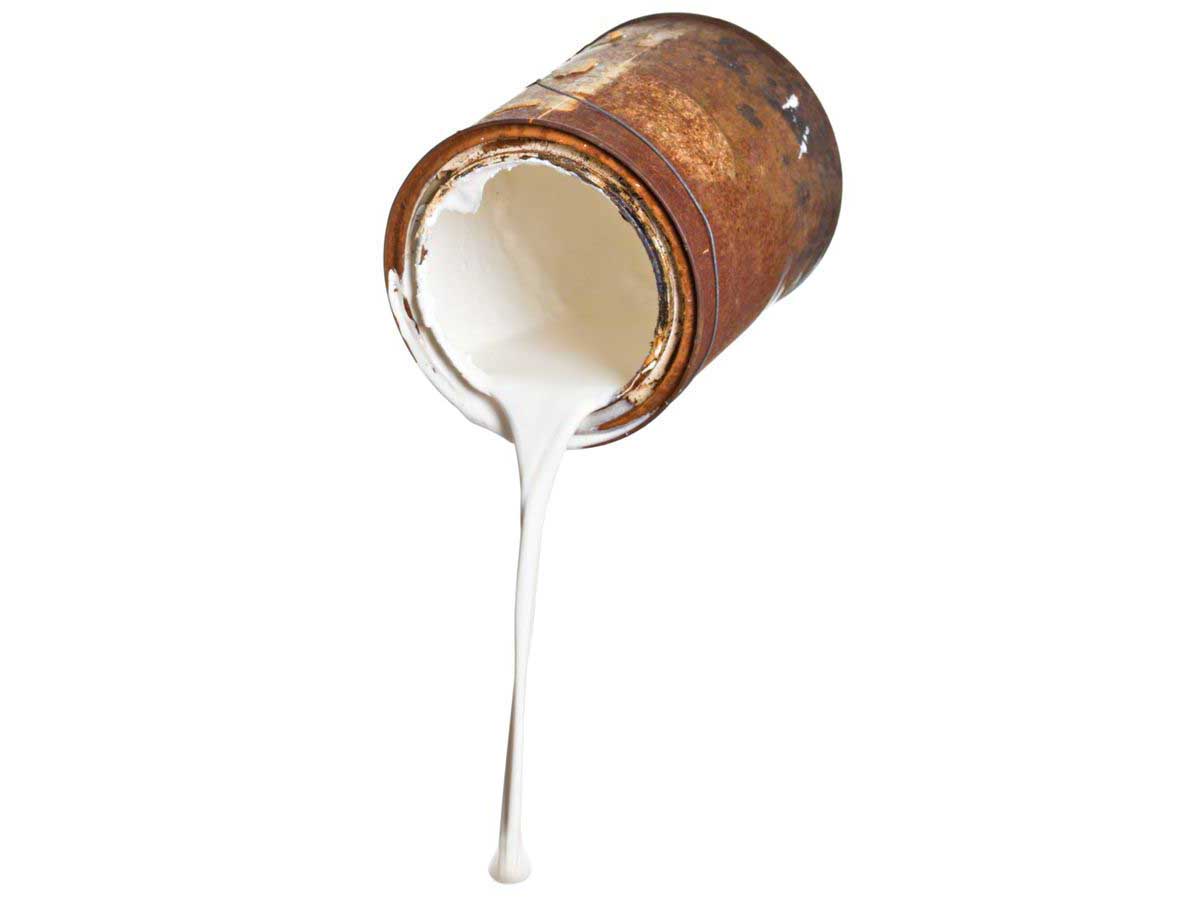
Many consumer products contained lead in the past, and some still do. For example, house paint used to contain lead. Lead created very bright, intense paint colours. A voluntary ban was implemented in Canada in 1972, but it wasn’t until 2006 that a law prohibited the use of lead in the manufacture of paint.
Gasoline used to contain lead additives to improve combustion in engines. It was gradually phased out as an additive, with a complete ban being imposed in 1990.
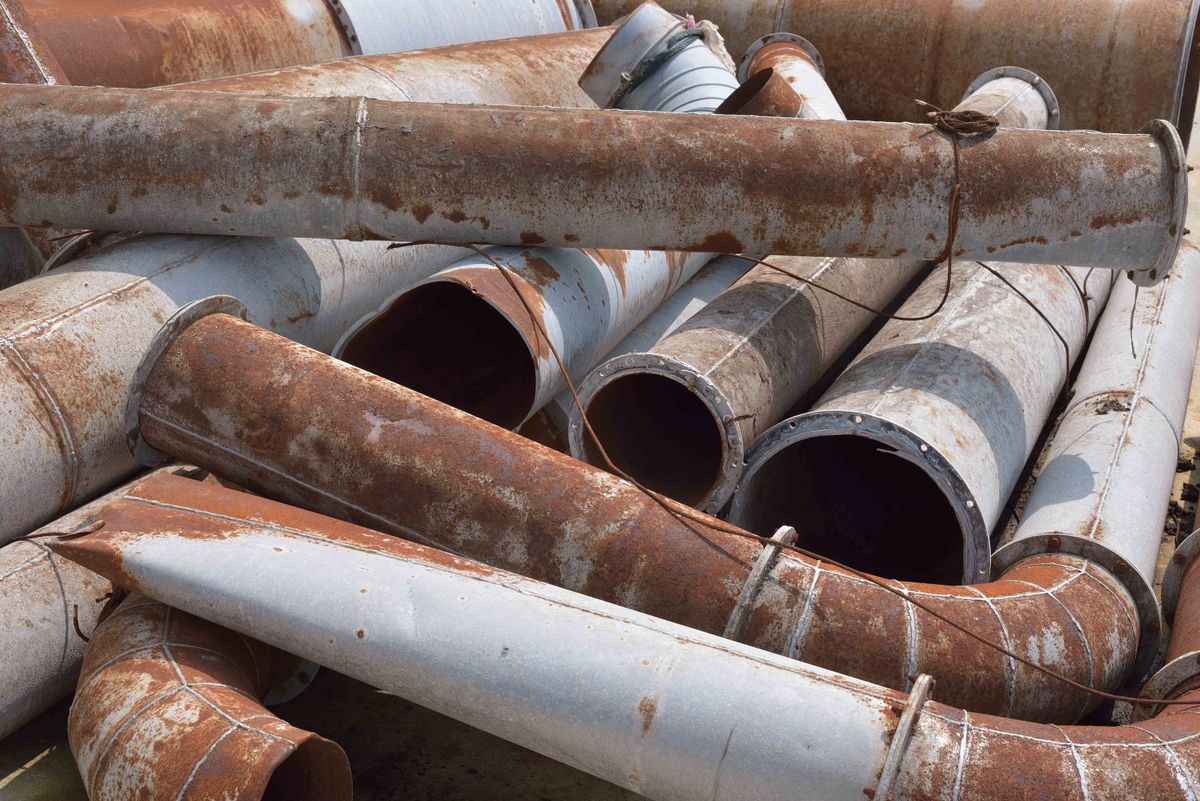
Although water pipes haven’t been made of lead for a very long time, until fairly recently the solder that plumbers used to join pipes contained lead. Any time a pipe changed direction, solder was needed. Solder is a soft metal alloy with a low melting point. Heat from a blowtorch melts the solder, which flows into the spaces between the copper pipes being connected. It hardens quickly, creating a leak-proof seal.
The danger is that some of the lead in the solder can end up in drinking water. This became an issue with older schools in Toronto a number of years ago. The interim solution was to run the water in the drinking fountains for a half hour before the start of the school day to flush any lead residue out of the pipes. Since 1986, building codes have required the use of lead-free solder. In fact, newer construction may no longer contain copper piping; many homes use plastic tubing instead. Plastic piping is flexible, and so does not require any solder.
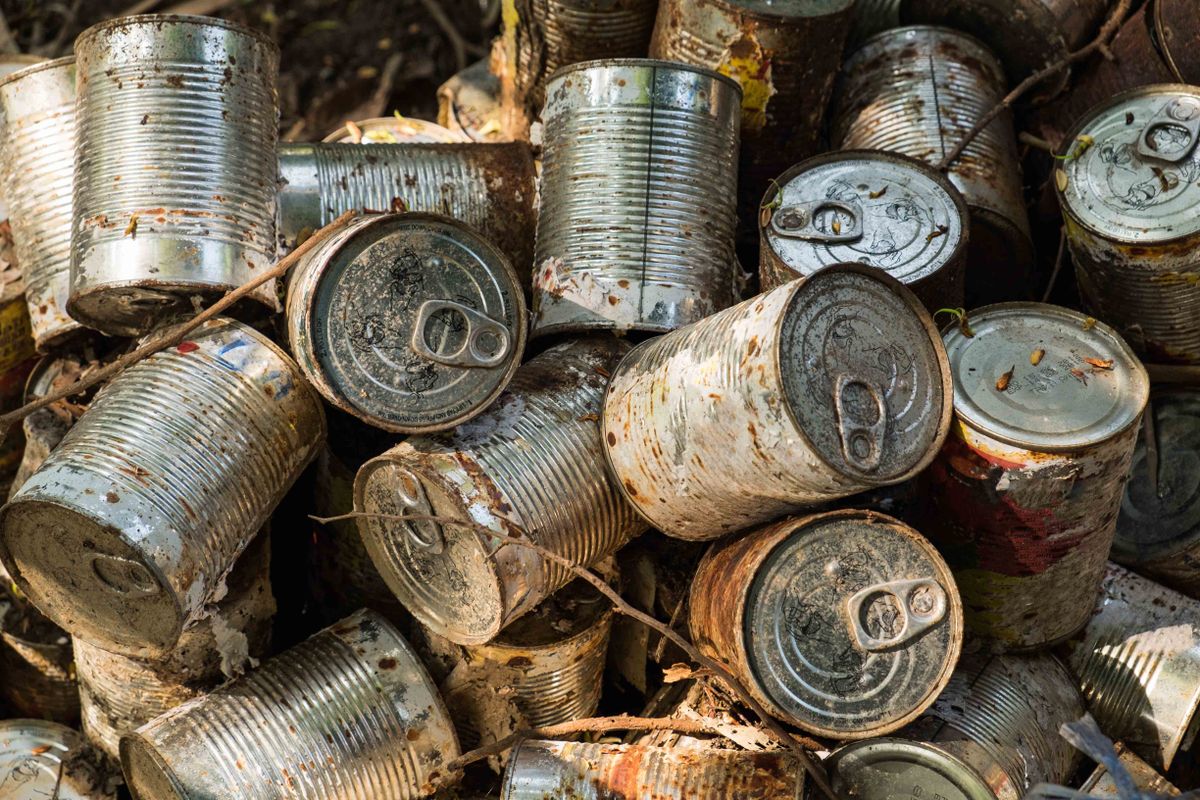
“Tin” cans were at one time sealed with lead solder, leading to lead contamination of food preserved inside. Lead poisoning has been linked to the ill-fated Franklin expedition through the Canadian Arctic. The ships and crew disappeared during the 1840s. In the early 1980s, a gravesite was discovered containing bodies of crew members. Autopsies showed an extremely high level of lead in the bodies. The source of the lead could only have been the solder on the food tins. As of 2010, not all countries had banned the use of lead solder on food containers.
Lead was also found in sinkers used on fishing lines and in the buckshot in shotgun shells. Canada banned the use of lead in these applications in 1997. When shotgun shells were used in hunting, many pieces of lead buckshot would end up in the water. Also if the line broke while fishing, the lead sinkers attached to the line would also end up in the water. Waterfowl would consume the lead pieces, be poisoned, and often die as the lead built up in their tissues. The lead is also believed to have changed the behaviour of some water birds. Typically white swans are monogamous, mating for life. However, there have been recent cases where male swans have killed their mates and offspring and then started another family with a different female.

Lead is still used in some products. Car batteries are manufactured using lead metal electrodes. Pewter, an alloy of lead, tin, and zinc, is manufactured for decorative items. At one time, eating utensils, plates, bowls, and mugs were made of pewter. Currently, brightly coloured glazes on pottery also contain lead. If you are uncertain whether your pottery contains lead, don’t use it to store or serve food or beverages: lead contamination may result. People who work in any of these industries or live near manufacturing plants often have higher levels of lead in their bodies.
Although lead has been banned from most products, it is still present in the environment. It is often found in the soil and can enter the food chain through plants growing in that soil. Lead is also found in products imported into Canada from other parts of the world. This has led to the recall of toys over the past few years. Children have the habit of chewing on toys and can ingest lead that way. Although no one can see, taste, or smell lead, it can be inhaled, ingested, or absorbed through the skin.
Symptoms of lead poisoning
Lead poisoning affects a number of body parts. A single high dosage can cause immediate, acute symptoms that include abdominal pain and cramping, vomiting, difficulty walking, muscle weakness, seizures, and coma.
More typically, lead builds up in the body over a long period of time through many exposures to low doses of the metal. This results in a number of chronic symptoms:
- change in behaviour, usually becoming more aggressive and irritable
- sleep problems
- digestive issues including loss of appetite, pain, cramps, and constipation
- lack of energy
- headaches
- impairment of the senses
- kidney problems
Lead poisoning is a much greater concern in children than in adults. Their bodies are smaller and they have more opportunities to ingest lead. Their brains and nervous systems are still developing, and lead can negatively affect normal developmental patterns. The younger the child, the greater the danger; fetuses face the greatest risk. Impairment of the nervous system is shown by some or all of the following:
- attention problems and failure in school
- hearing problems
- lower IQ
- slower overall body growth
- behavioural issues
- brain damage
As the level of lead gets higher, the problems become more severe and longer lasting. Adults with moderate levels of lead in their bodies may recover over a number of years, but children may never recover.
Diagnosis of lead poisoning
If a number of the symptoms described above are present and exposure to lead pollutants is a possibility, blood is tested for lead levels. Lead poisoning changes the appearance of red blood cells. Lead levels in bones can also be used to diagnose lead poisoning.
Self check
As a self-assessment exercise, please answer the following questions in your notebook. To test your knowledge, check your responses with the suggested answers.
-
-
Why have environmental lead levels been dropping since the 1990s?
Because people know of the harmful effects of lead and have drastically lowered and even stopped using it.
-
Why is lead still found in the environment?
It does not degrade and other parts of the world continue to use it.
-
-
-
Why is the fetus at greatest risk for lead poisoning?
Lead severely damages their developing nervous system.
-
How can the fetus end up with lead poisoning?
The fetus can absorb it through the mother.
-
-
Describe two situations where lead bioaccumulates in food chains.
Plants will absorb lead in the soil which will then be eaten by herbivores followed by carnivores. Lead can also be found in aquatic ecosystems which will bioaccumulate in fish tissue and on to their predators.
-
Renovators of older homes may remove paint from walls and woodwork. Why should these workers wear masks?
In the past, lead was commonly used in paints. Lead can enter the body through inhalation.
-
Describe three precautions you can take to lower your risk of lead poisoning.
Wear a mask, protective gloves and be aware of the foods you are ingesting.
Green paint
Since lead is no longer permitted in paints, does that mean that paints are now environmentally friendly? Select the tabs to learn more.
Mercury
Mercury is another heavy-metal environmental contaminant. Like lead, it causes problems with the brain and nervous system. In the past, mercury compounds were used by hat makers to soften felt, the thick material used to make hats, so that it could be shaped more easily. Hat makers often went insane; the Mad Hatter in Lewis Carroll’s Alice in Wonderland is inspired by these individuals.
Think
What do you think the term “mad hatter” means? Where do you think the meaning of this term is derived from?
Explore the article, “The Right Chemistry: Mad Hatters were not merely fictional,” (Opens in new window) to learn about the use of mercury and the term “mad as a hatter”.
Portfolio

Culminating Activity
This is a good time to remind you that you will be completing a Culminating Activity as part of your final evaluation for this course. You will be learning more about Grassy Narrows through your Culminating Activity. You will complete part of the Culminating Activity in each unit throughout this course. You will submit each part for feedback before putting it all together and submitting for a grade.
The final product of this Culminating Activity will be a research report and social media campaign informing others about the issues associated with Grassy Narrows.
Challenge

There are many other heavy metals that pose a threat to human health. Using the internet or your local library, research the metals found in the table(Opens in a new window) and fill it out in a group of two or three. Mercury has been done for you to better understand the expectations. When you’re ready, compare the information you are finding to the suggestions provided. Please note, the information provided is only a starting point. Your information should have more details.
When browsing for current articles, research those written within the last 5 years.
Review these suggested answers(Opens in a new window) for effects of various heavy metals.
Good news!
A quick search on the internet will bring you to a variety of organizations that are working towards reducing and even eliminating the use of heavy metals in order to protect our ecosystems and its inhabitants including people.
The following organizations are working towards protecting human health:
- World Health Organization
- World Bank
- UN Development Programme
- UN Environment Programme
- UN Industrial Development Organization
- International Labour Organization
- Food and Agriculture Organization
- Intergovernmental Forum on Chemical Safety
- International Lead and Zinc Study Group
In September 2017, the Minamata Convention on Mercury took place in order to address the problem of mercury contamination. They worked to create a legally binding agreement to reduce/eliminate mercury in order to help protect human health and the environment from mercury poisoning.
Discover more

To learn more, search the internet for "Yale" and "Environmental Performance Index" and "contributors and advisors" to access a list of organizations working on initiatives to protect people and the environment from heavy metal contamination.
You are encouraged to search for additional resources to support your understanding at this time.

Portfolio
Now that you have read and learned about heavy metals and their effects on human health, fill in the table(Opens in a new window) using your newly acquired knowledge and the extra space provided to document what you have learned.
Review your notes to ensure they are complete. Your notes will serve as a review for later assessments and tests. Take the time to review the information on heavy metals that you are unsure of before moving on.
Once you have completed your chart, submit to your teacher.
Take a break!

Excellent work! You have just completed Learning Activity 1.2 titled “Exploring health hazards of heavy metal pollutants”. Now is a great time to take a break before you move on to Learning Activity 1.3 titled “Investigating the indoor environment”.