Introduction
In Learning Activity 1.1, you determined which leadership style was most appropriate in certain contexts. Choosing your style and approach when leading a group is a very important process. However, despite your best efforts, conflict may arise.
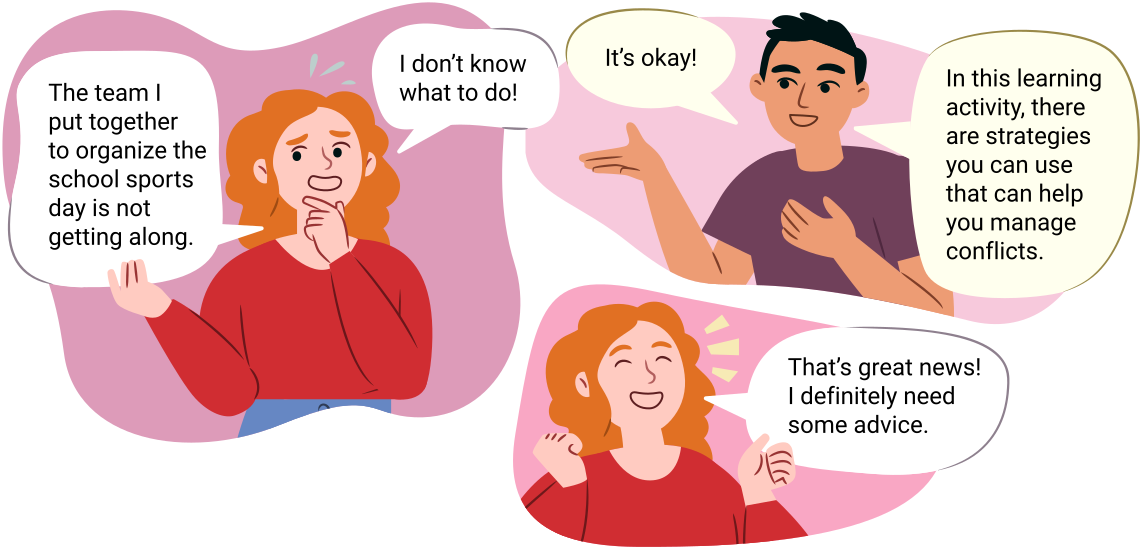
Two students having a conversation:
Student 1: The team I put together to organize the school sports day is not getting along. I don’t know what to do!
Student 2: It’s okay! In this learning activity, there are strategies you can use that can help you manage conflicts.
Student 1: That’s great news! I definitely need some advice.
Think

Reflect on a time when you experienced conflict within a group setting. What were the contributing factors to the conflict? How do you think applying strategies for facilitating group effectiveness could have helped prevent or resolve it?
Communication skills
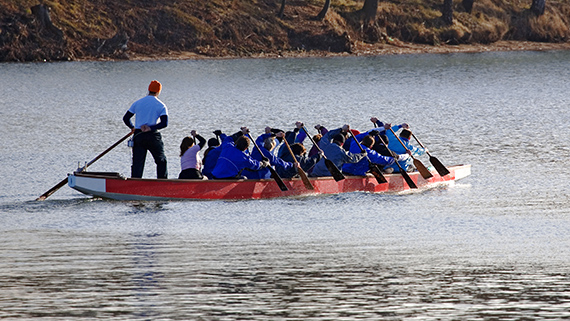
Working effectively as a group is vital to achieve a common goal. Facilitating group effectiveness requires strong communication skills.
Press the following tabs to learn about some essential communication skills.
Active listening involves fully concentrating, understanding, responding, and remembering what is being said. It means hearing the words and understanding the emotions, intentions, and underlying messages conveyed by the speaker.

Effective communicators convey their message clearly and concisely, avoiding jargon, ambiguity, or unnecessary complexity. They articulate their thoughts in a straightforward manner, making it easier for the listener to understand and process the information.
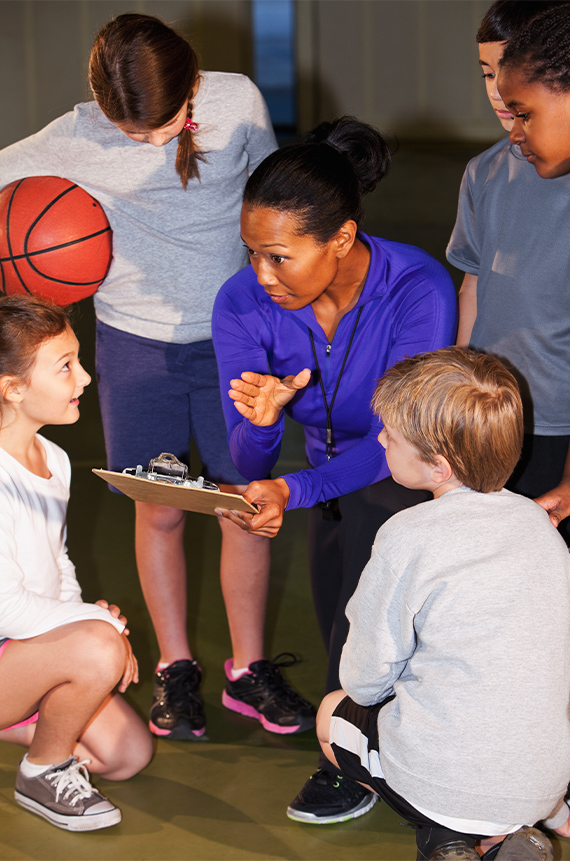
Empathy is the ability to understand and share the feelings of others. It involves showing genuine concern, compassion, and respect for the perspectives and emotions of the other person. Empathetic communication fosters trust, connection, and mutual understanding in relationships.

Nonverbal cues such as facial expressions, body language, gestures, tone of voice, and eye contact play a significant role in communication. Effective communicators pay attention to these cues, using them to convey sincerity, confidence, and empathy in their interactions.

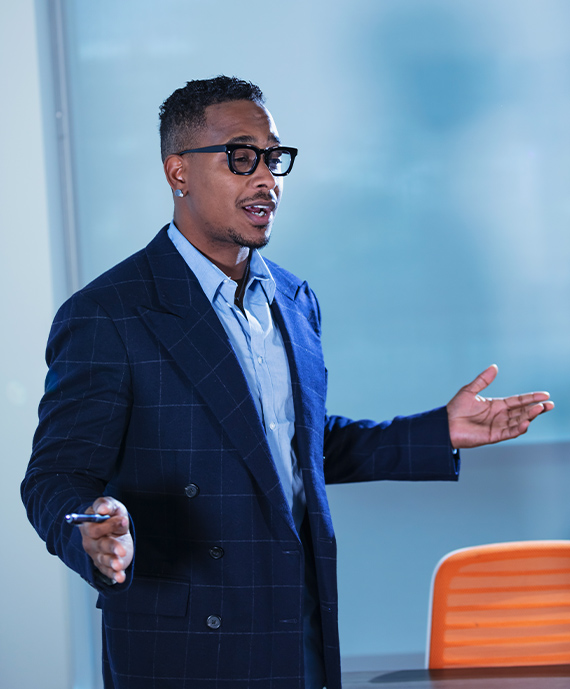
Assertive communication involves expressing thoughts, feelings, and opinions in a clear, direct, and respectful manner while also considering the rights and feelings of others. It involves advocating for oneself, setting boundaries, and standing up for what is important, without being aggressive or passive.
By developing these communication skills, we can enhance our ability to build strong relationships and maintain group cohesion. Group cohesion is essential to successfully accomplishing any goal.
Think
Can you think of a time when you used one of the previous communication skills to improve a situation or get your point across?
Strategies for group effectiveness
Notebook

Read the following article 25 Group Facilitation Tips for Professionals to explore more strategies for group effectiveness. As you reflect on the strategies outlined in the article, consider how you can apply them in your own group settings to facilitate more efficient and harmonious collaboration.
When you are finished, use your notebook to record the five strategies which you believe are the most effective to ensure team cohesiveness.
Managing and resolving conflicts
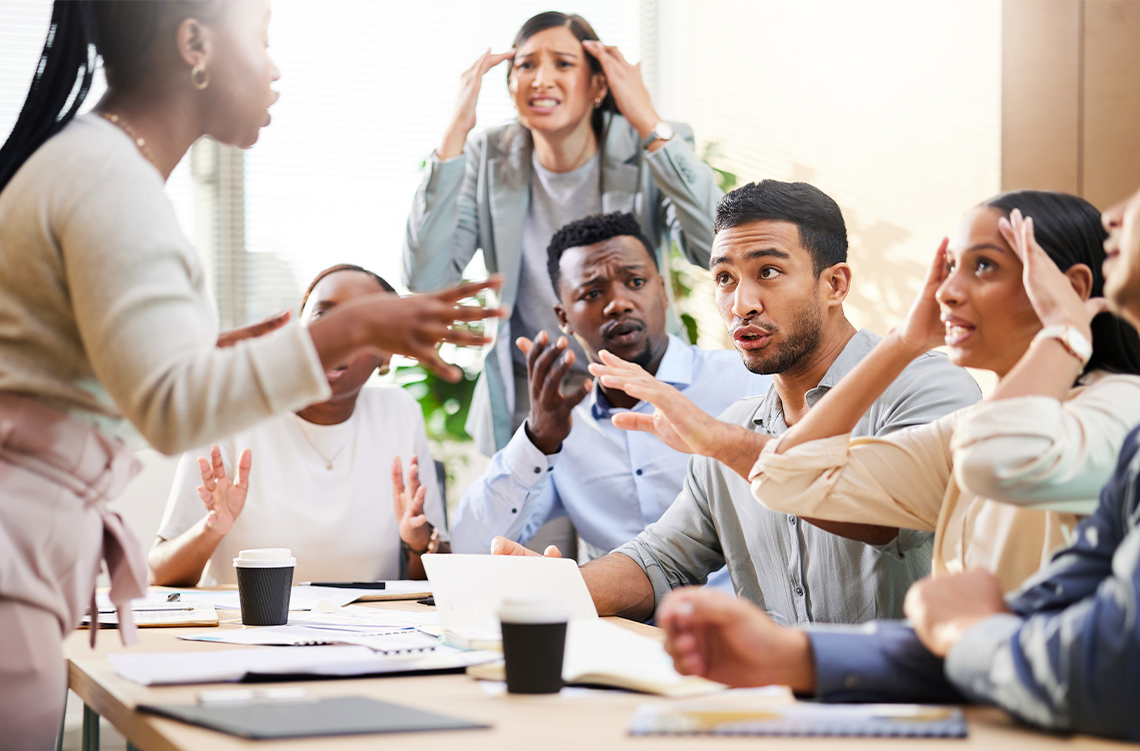
Conflicts can occur even in very cohesive and effective groups. Sometimes conflict can be beneficial and lead to better decisions – opposing views can generate deeper thinking on issues – but conflict can also result because some members obstruct the work of the group. You may have experienced conflict with a parent, sibling, or group member. It can be difficult to manage conflicts without the proper skills and strategies.
Types of conflict
There are four common types of conflict that can occur within groups.
Check out the following interactive to learn more.
Source:
Galante, M. (2019, May 7). How to resolve workplace conflict. The Bottom Line by Square. https://squareup.com/us/en/the-bottom-line/operating-your-business/resolve-workplace-conflict
Conflict resolution

Conflict resolution is an essential skill to learn, as it not only helps in managing interpersonal relationships but also prepares you for future leadership roles.
One key aspect of conflict resolution is understanding the root cause of the conflict. By approaching the situation with empathy and a willingness to listen, an effective leader can discover the source of the issue and seek solutions that address the needs of all parties involved.
Some techniques for de-escalating conflicts and promoting constructive dialogue include:
- setting ground rules for communication
- maintaining a calm and respectful demeanor
- reframing negative language into more positive and productive discussions
Notebook
Check out the following video entitled Resolving Conflict for valuable strategies in effectively resolving conflicts.
After watching the video, use your notebook to record your answers to the following questions.
- What new insights or perspectives on conflict management did you gain from the video?
- Which strategy discussed in the video do you think is the most crucial for managing conflict? Why?
Developing your conflict resolution skills can not only help you succeed in school but also prepare you for future leadership roles. These skills are valuable in various industries and can be applied when working with customers, teachers, and group members.
Join the discussion

What would you do?
Now, let's put your conflict resolution skills to the test. Choose one of the following scenarios and answer the following questions in the discussion board.
- What strategies can you use to effectively address and resolve the situation?
- What proactive steps could have been taken to prevent this problem from occurring?
When you have answered the questions, be sure to comment or respond to the answers of two other students.
Press the following tabs to read and choose your scenario.
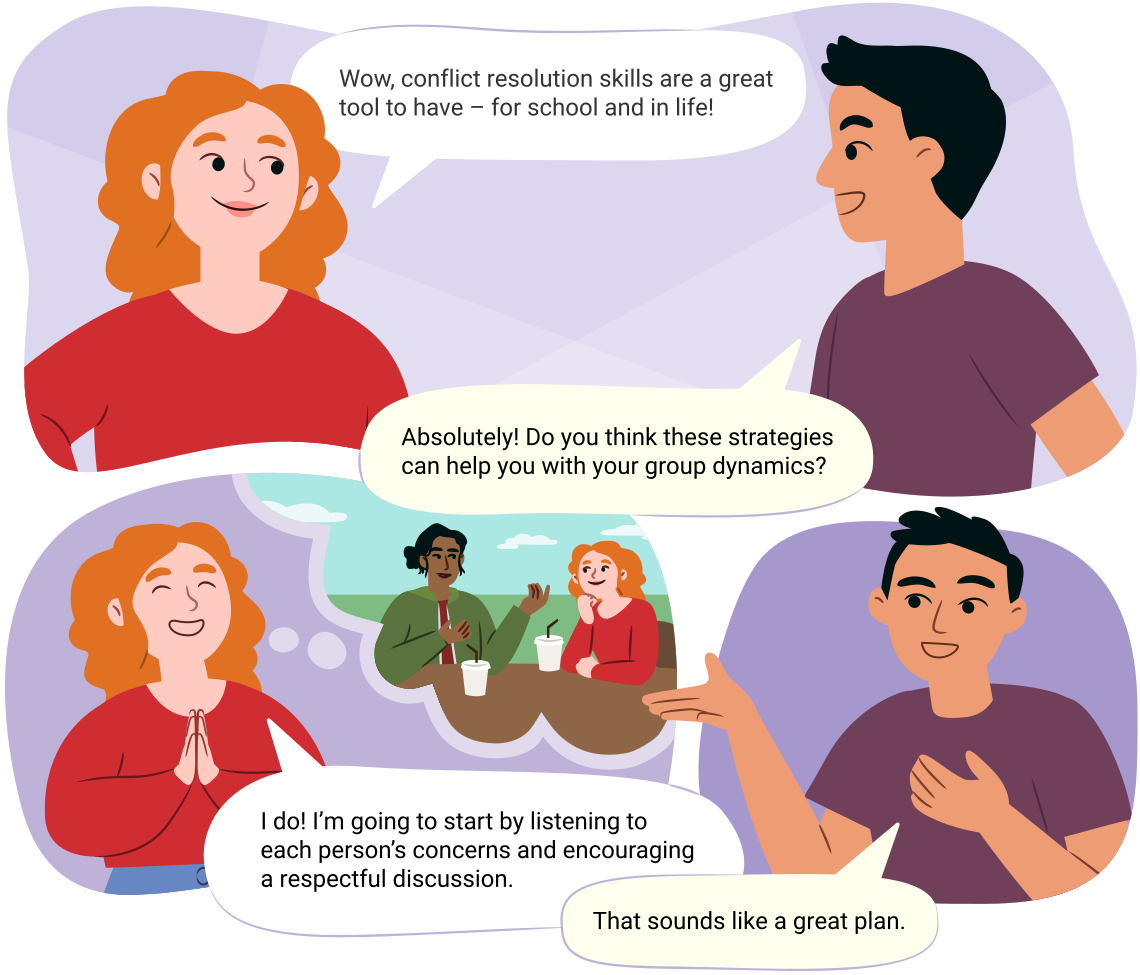
Two students having a conversation:
Student 1: Wow, conflict resolution skills are a great tool to have – for school and in life!
Student 2: Absolutely! Do you think these strategies can help you with your group dynamics?
Student 1: I do! I’m going to start by listening to each person’s concerns and encouraging a respectful discussion.
Student 2: That sounds like a great plan.
Think
How might you use your improved conflict resolution skills outside of school? In what leadership positions or situations do you think these skills will be most useful?
In this learning activity, you have explored the factors that influence group dynamics and studied strategies for effectively resolving conflicts. Conflicts can arise for many reasons. Adopting a positive mindset, focusing on the issues rather than individuals, and valuing diverse perspectives are key to resolving conflicts maintaining team unity. In the upcoming learning activity, you'll apply your newfound knowledge to complete a final unit task.